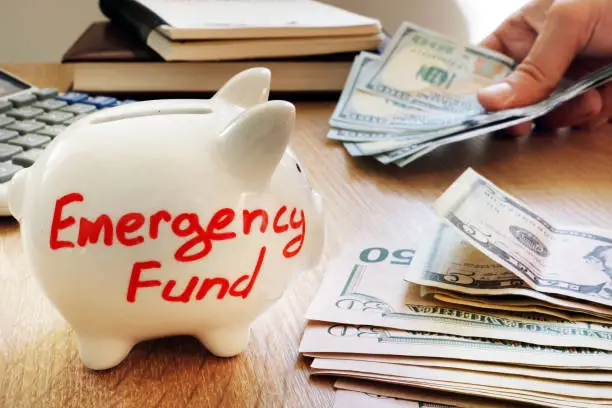
Crisis Finance Direct is a monetary arrangement that gives solid backing in startling circumstances and keeps your day-to-day life steady. Its fundamental reason is to guarantee that you have pre-spent investment funds in case of any sudden money-related issues. This finance makes a difference; you dodge taking advances or borrowing at tall rates. Solidness in life is not continuously ensured, so arranging is exceptionally critical. Everybody ought to apportion a portion of their salary to ensure their future. This propensity makes you fiscally free and decreases push. A financial crisis is not fair cash but a defensive shield that comes in handy in troublesome times.
Why is crisis finance needed?
Crisis support is fundamental since life is never unsurprising, and startling circumstances can emerge at any time. Issues like work misfortune, well-being issues, or family crises make sudden budgetary stretches. The need for investment funds at such times can drive an individual to make troublesome choices.

A financial crisis gives peace of mind and makes a difference over the long stretch. It makes it simpler to keep up your way of life. The fear of budgetary frailty is diminished, and you can handle circumstances with certainty. It is imperative for each family to have a reinforcement arranged according to their needs.
How much ought you to save?
The sum of crisis support depends on each person’s costs and way of life. The common rule is that it ought to cover at least three to four months of essential costs. If your family framework is straightforward, at that point, indeed a few investment funds can be sufficient, but if your duties are overwhelming, the sum can increase. Each individual ought to calculate their month-to-month bills for lease, nourishment, and transportation. This calculation sets a clear objective. The reason for saving is not to amass cash but to guarantee steadiness. With appropriate arranging, you can accomplish your objective step by step.
The significance of budgeting
Creating a budget is the most critical step in building a crisis finance since it gives you a clear picture of your wages and costs. When you keep track of your cash, pointless costs are controlled. Making a month-to-month arrangement instructs you to teach. A budget makes a difference; you effortlessly choose how much cash to set aside for reserve funds. This handle progresses money-related mindfulness and decreases botches. Reserve funds are not feasible without a budget, so it is vital to make a structure. This propensity is exceptionally accommodating for long-term budgetary victory.
The best way to save
- The best way is to prioritize saving a set amount of money each month.
- Using a separate bank account makes savings safer and less accessible.
- This method significantly reduces the likelihood of unnecessary expenses.
- Small savings become a financial fund over time.
- The habit of saving regularly makes you financially strong, stable, and confident.
Emergency Fund and Financial Security
Concept and importance of emergency fund
An emergency fund is a solid foundation of financial security that protects you from unexpected financial shocks. It is a backup savings that comes in handy in unexpected situations. Having an emergency fund is essential for every strong financial plan.
Financial stress and peace of mind
When you have an emergency fund, you feel more relaxed because financial stress is reduced. You will not need to borrow money in an emergency. This fund gives you peace of mind and confidence.
Long-term stability and safety net
Crisis support gives you flexibility in decision-making and progresses money-related solidity. It is an imperative portion of long-term arranging that makes life more manageable.

It acts as a safety net, which is essential for every successful financial journey.
Role of Income in Savings
- Income has a direct impact on the size and speed of the emergency fund.
- People with higher incomes save relatively quickly.
- The real factor in success is not money, but consistency.
- Everyone can save according to their income level.
- If expenses are under control, even small income can lead to strong fund growth.
The impact of unexpected expenses
Unexpected costs are a portion of life and can emerge at any time, such as a therapeutic crisis, car repair, or unforeseen travel costs. Having reserve funds accessible in such circumstances decreases pushback. A financial crisis secures you from taking on obligations, which makes a long-term burden. This support makes a difference; keep up your monetary solidity. Everybody ought to be prepared for such dangers. Being arranged is the trademark of savvy monetary arranging and secures the future.
Where ought the crisis finance be kept?
It is imperative to keep your crisis finance in a secure and effortlessly open pot. A bank investment fund account or a fluid account are the best alternatives from which you can pull back cash when required. Keeping cash at home can be hazardous and ought to be dodged. Speculation that is disobedient and includes hazards is not reasonable for putting away crisis finances. There ought to be an adjustment between security and availability. A well-kept finance gives prompt support in crises and diminishes monetary stress.
Develop a sparing habit.
Developing a sparing propensity is a slow handle that takes time and consistency. When you receive teaching, monetary development starts normally. Indeed, a small sum of investment funds at the start is critical since it gets to be a propensity. Saving a little each month inevitably builds a solid finances. Tolerance is basic in this preparation. Once the propensity is solid, sparing gets to be programmed for you. This propensity gives you long-term money-related stability.
Common botches to avoid
When building crisis support, individuals make a few common botches that moderate their advance. The greatest botch is deferring reserve funds. A few individuals utilize the stores for superfluous costs, which disturbs the objective. Sparring without an arrangement is not feasible. Passionate investing is also a frail point that harms the support. Teaching and control are exceptionally vital in this handle. If you maintain a strategic distance from these botches, your support will develop quicker and more stably.
Long-term budgetary planning
A financial crisis is a solid establishment for long-term money-related arranging, making a difference so you accomplish your future objectives. When you have money-related reinforcement, speculation and development choices end up less demanding.

This finance gives you opportunity and certainty. It too bolsters retirement arranging and commerce arranging. Having a solid establishment guarantees steady budgetary travel. Everybody ought to arrange to secure their future. This step clears the way for success.
Conclusion
A crisis support director is fundamental for anybody looking for budgetary steadiness and peace of mind. It insures you in startling circumstances and avoids obligation. Creating a solid sparing propensity is the key to victory. Everybody ought to arrange according to their wage and needs. Consistency and teaching lead to long-term outcomes. When you are arranged, life feels more secure and in control. A financial crisis is the first step to monetary flexibility, guaranteeing a secure future.